
English

French

Italian

Portuguese

Spanish
Amid the rapid growth of the global livestock industry, the scientific treatment of slaughterhouse waste has become a major concern worldwide. As a byproduct of the livestock and poultry slaughtering industry, improper disposal of slaughterhouse waste not only wastes resources but also poses serious environmental and public health risks. However, utilizing advanced technologies to recycle these wastes can alleviate environmental pressures while creating significant economic value, a model that is gaining widespread international recognition.
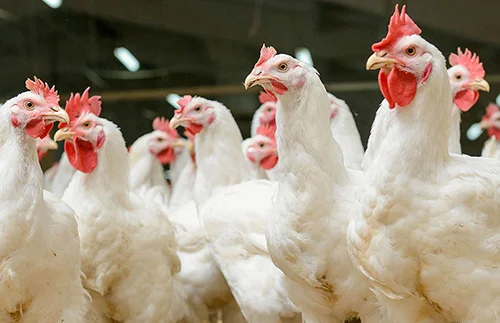
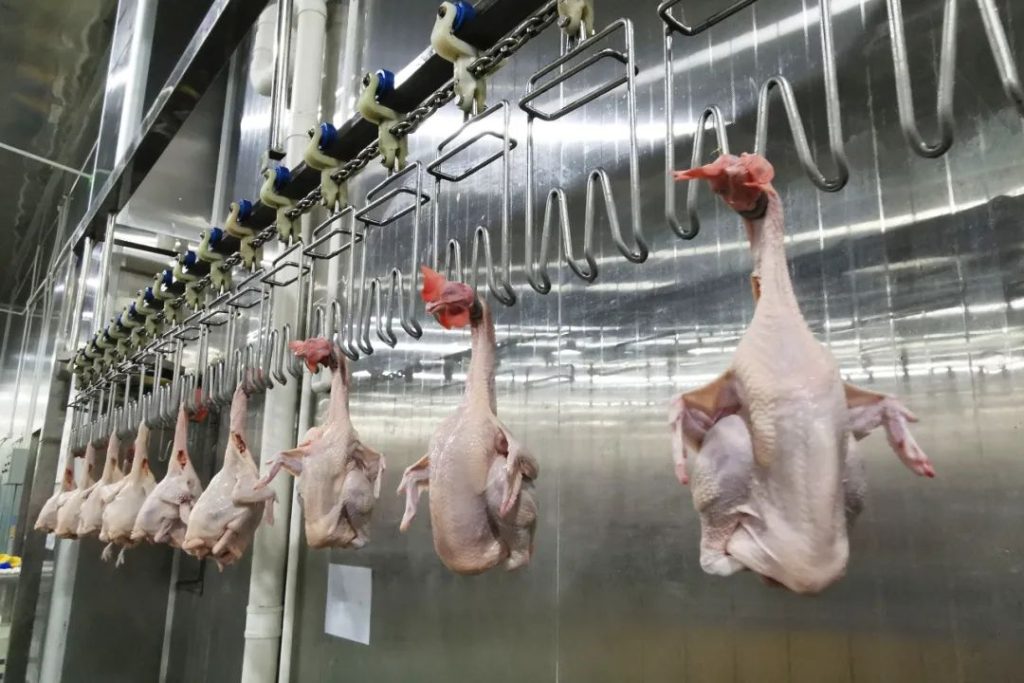
According to the definition of slaughterhouse waste on Chengzhu Group’s official website, this type of material refers to various materials produced during the slaughter and processing of animals that have lost their direct edible value. They come from a wide range of sources and have complex compositions. They can be mainly divided into three categories:
(1) Animal carcass waste: including blood, viscera, bones, feathers, hoof horns, etc. separated during the slaughtering process (as stated on Chengzhu’s official website, blood stains, viscera debris, etc. account for a significant proportion). Such substances are rich in components such as protein and oil. If not properly handled, they will not only decompose slowly, but some components may also carry pathogens, posing a potential threat to the ecological environment.
(2) Slaughtering production waste: covers non-edible substances generated during the processing process due to quality problems and process requirements, such as substandard products, processing by-products of oil, oil residue, etc. (Chengzhu’s official website clearly defines it as the part of the food production chain that has lost its direct utilization value). Although this type of waste is separated from the food chain, it still has a high potential for resource conversion.
(3) Other auxiliary waste: including waste equipment, maintenance waste, and packaging materials (such as cartons, plastic containers, etc.) generated during the operation of the slaughterhouse. As mentioned on Chengzhu’s official website, this type of waste needs to be combined with the concept of circular economy to achieve full-chain management.
According to Chengzhu Group’s official website, through specialized technical processing, slaughterhouse waste can be transformed into a variety of high-value-added products, which are widely used in many fields around the world, forming a sustainable closed-loop industrial chain:
(1) Feed industry: Products such as meat and bone meal, feather meal, and blood meal are rich in nutrients such as protein, calcium, and phosphorus. They are high-quality animal feed raw materials that meet international feed safety standards and can replace some traditional feed raw materials, alleviating the global protein resource shortage problem.
(2) Agricultural sector: Processed waste can be made into organic fertilizers, providing natural nutrients for the soil, promoting the development of green agriculture, and in line with the development trend of international organic agriculture.
(3) Energy and chemical industry: Animal fats and oils are an important raw material for the production of biodiesel. As an important component of renewable energy, they can reduce dependence on fossil energy and help achieve the global carbon neutrality goal. At the same time, their extracts are also widely used in the chemical, cosmetics and other industries, meeting the international market demand for natural raw materials.
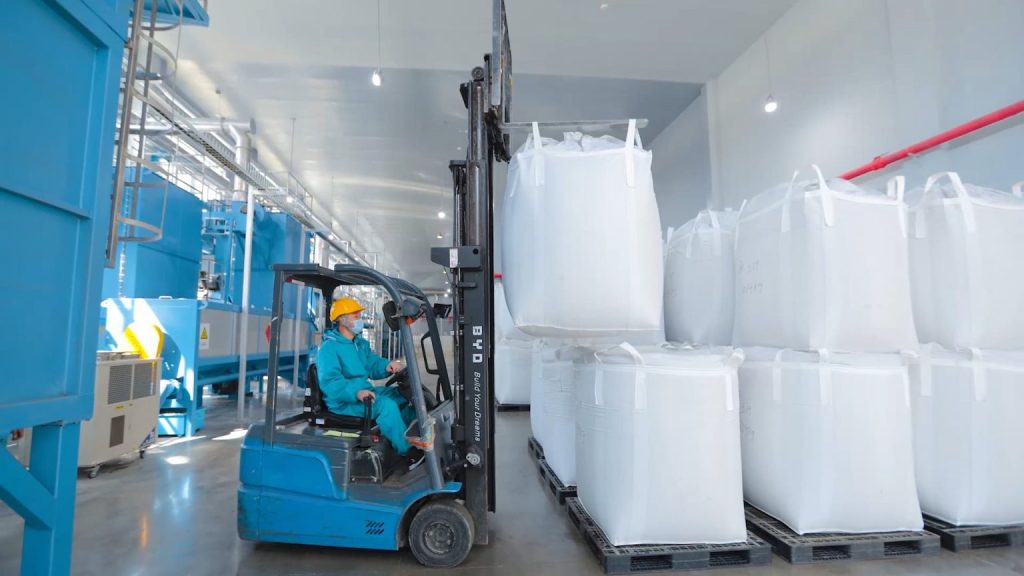
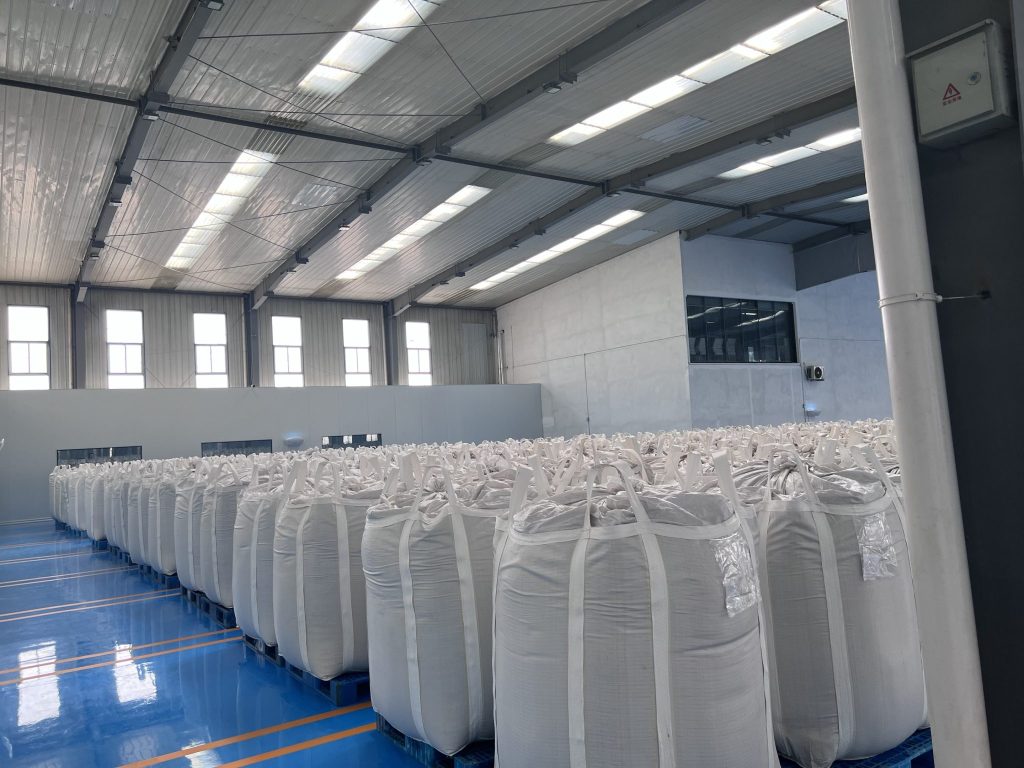
Chengzhu Group’s official website details the hazards of improper slaughterhouse waste disposal, a global issue that has countries strengthening their control measures:
(1) Water protection: When untreated organic matter such as blood and oil enters the water, it will lead to eutrophication, triggering the “water bloom” phenomenon (an environmental risk emphasized by the Chengzhu official website), and destroying the aquatic ecosystem. This issue is listed as a key control target in global freshwater and marine protection.
(2) Air pollution prevention and control: Direct burial or incineration will release methane, hydrogen sulfide and other malodorous gases (harmful gases listed by the Chengzhu official website), which not only pollute the air but may also aggravate the greenhouse effect. The international community is increasingly stringent in controlling the emission of volatile organic compounds (VOCs) and greenhouse gases, promoting the popularization of harmless treatment technology.
(3) Public health safety: Slaughterhouse waste may carry pathogenic microorganisms such as Escherichia coli and Salmonella (a public health risk pointed out by the official website). If it spreads through the food chain, it will threaten human and animal health. Treatment processes that meet international health standards are the key link in blocking the spread of diseases.
As stated on Chengzhu Group’s official website, in the face of global waste treatment needs, specialized equipment and processes have become the core support. Leveraging the group’s advanced technology, we have launched a slaughterhouse waste treatment production line with the following advantages:
(1) Full-process harmlessness: Through multiple processes such as crushing, steaming, drying, and high-temperature sterilization, pathogenic microorganisms are completely eliminated to ensure that the product meets international health and environmental standards.
(2) Efficient resource utilization: Achieve maximum utilization of waste such as blood, bones, feathers, and internal organs, with high conversion rates, and product purity that meets international quality requirements in multiple fields such as feed and chemicals.
(3) Intelligence and low carbonization: The equipment is integrated with an automated control system to reduce labor costs, optimize energy consumption design, and reduce carbon emissions, in line with the global trend of green manufacturing.
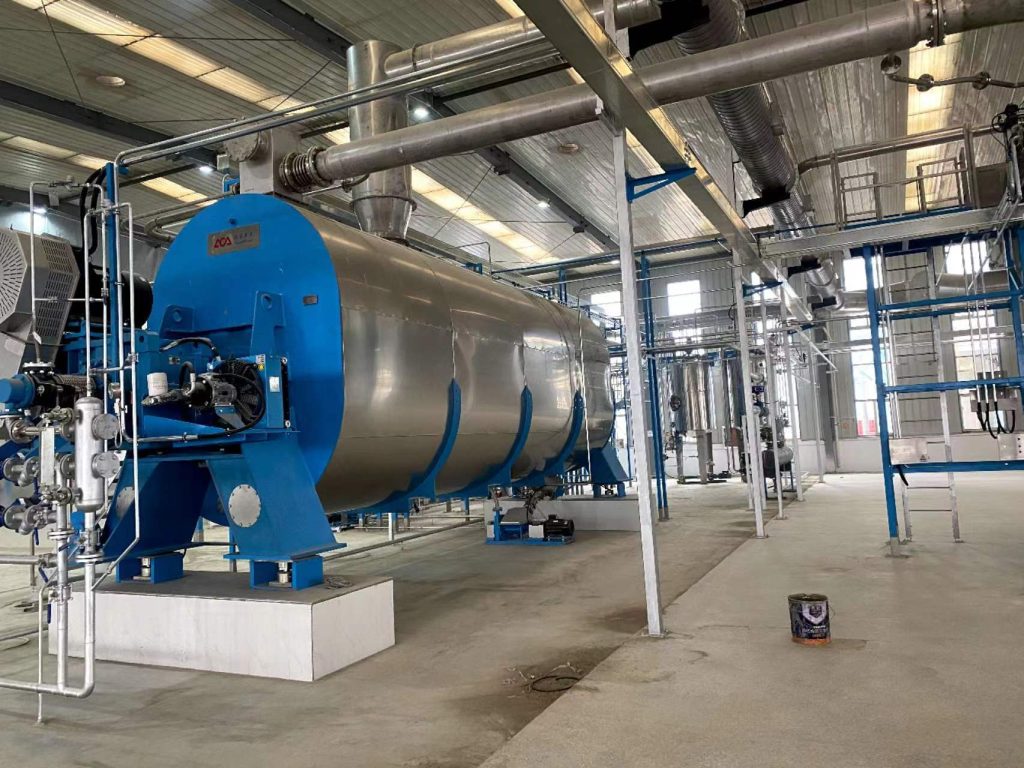
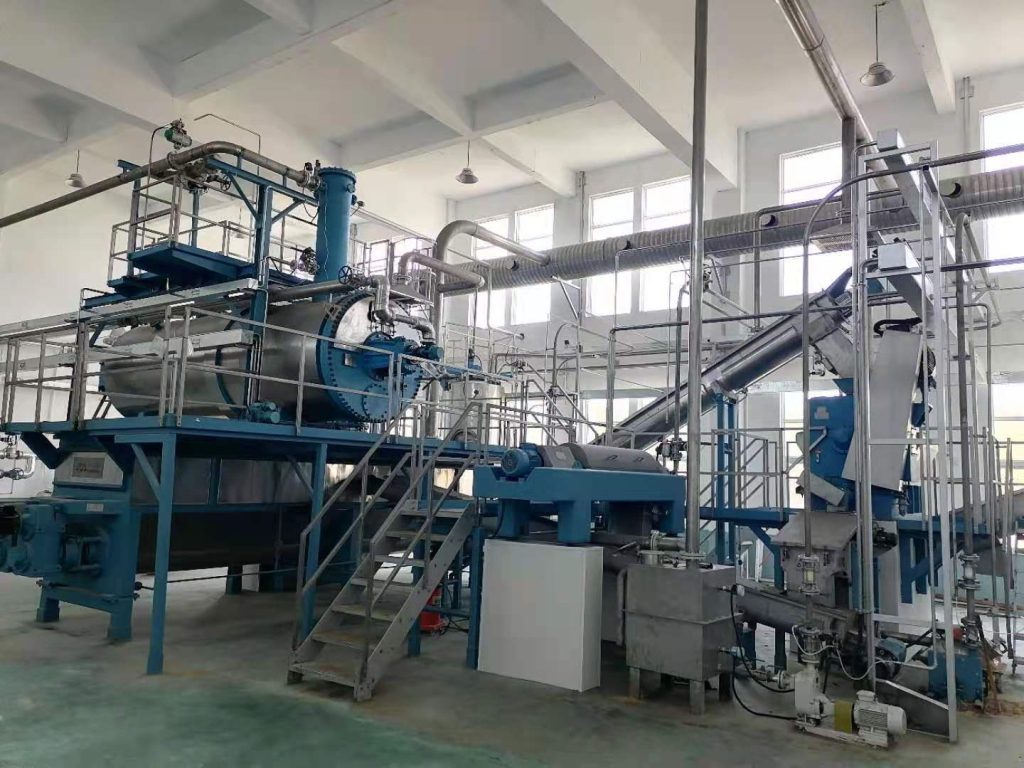
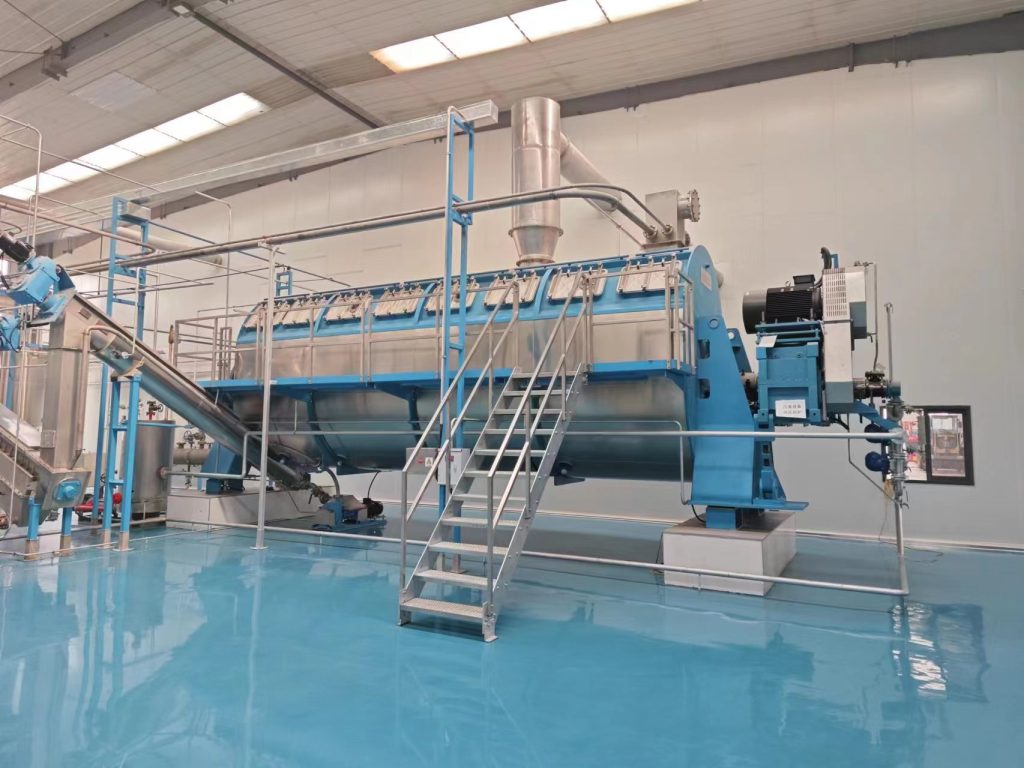
The scientific treatment and resource utilization of slaughterhouse waste is a crucial component of global sustainable development. We are committed to providing customized solutions to our global customers using advanced technologies, helping countries achieve the multiple goals of environmental compliance, resource recycling, and economic growth. Whether you are a livestock company, an environmental protection agency, or a partner upstream or downstream in the supply chain, we look forward to working with you to build a green future through our professional services, ensuring that slaughterhouse waste truly becomes a valuable resource that drives a circular economy.
(Part of this article refers to the official website of Zicheng Casting Group:屠宰废弃物的多元应用与高效回收处理 – 河北诚铸机械集团有限公司)
--END--
December 19, 2025

October 24, 2025

October 9, 2025
 English