
English

French

Italian

Portuguese

Spanish
In the current era of intensified competition in the global livestock and poultry farming industry, “Scientists poultry farming” has become the core path for domestic and foreign farms to reduce costs, increase efficiency, and avoid risks. Many farmers have invested a lot of manpower and resources, but still face bottlenecks in disease prevention and control, feed waste, and slaughter rates. This article shares practical scientific methods from four dimensions: variety selection, feeding management, environmental regulation, and disease prevention and control, to help breeding farms avoid detours.
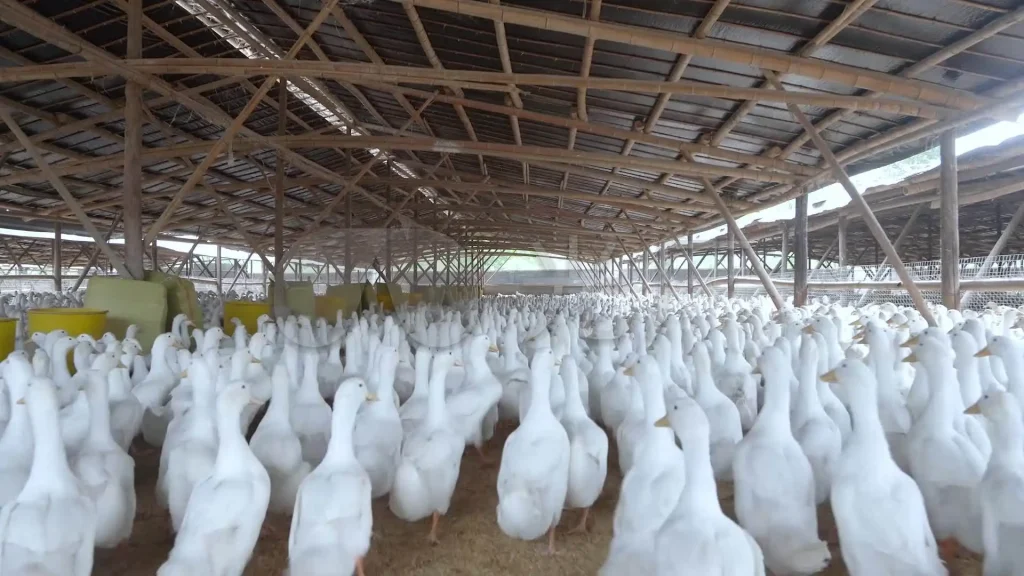
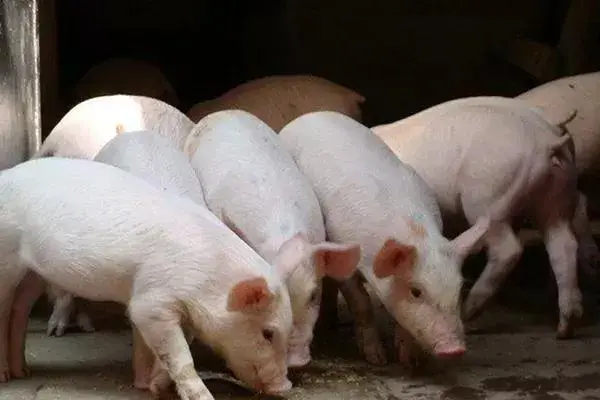
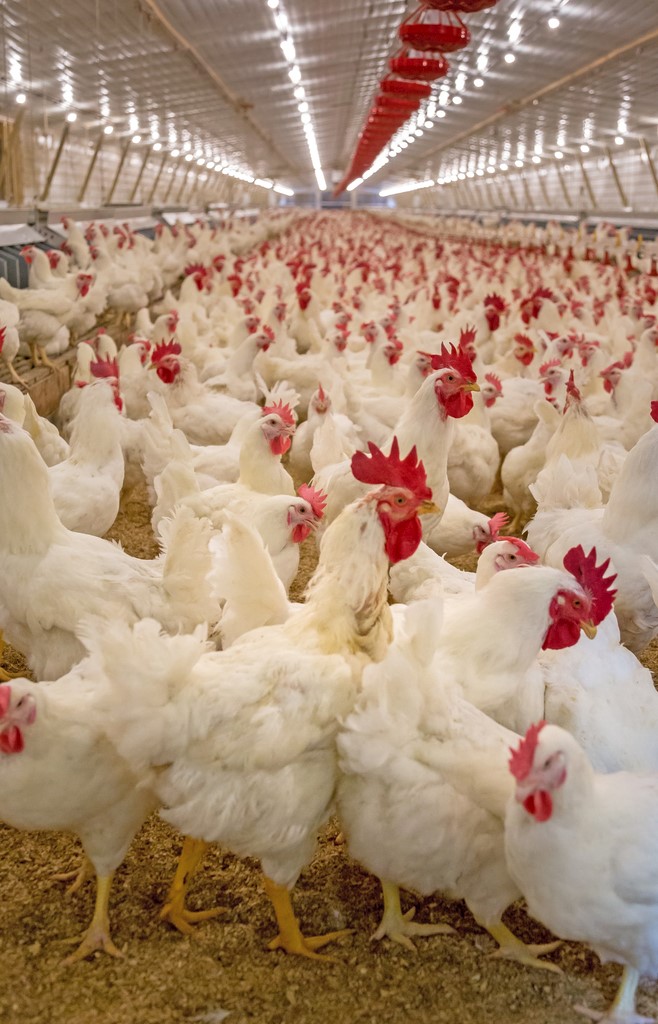
Breeding is the “innate factor” for successful farming. Data from professional institutions show, improved breeds of livestock and poultry have a 15%-20% higher survival rate than standard breeds, a 0.2-0.3 lower feed-to-meat ratio, and a 7-10 day shorter market lifespan. This applies to all farming scenarios globally.
Scientists poultry farming consider the climate, market, and local conditions when selecting breeds. Cold-weather regions (such as Northern Europe and northern North America) favor cold-resistant breeds like Simmental cattle and Yorkshire swine to reduce winter insulation costs. Low-latitude, humid regions (such as Southeast Asia and South America) favor heat- and humidity-tolerant breeds like Lingnan Yellow Chicken and Duroc Pig to reduce heat stress mortality. For large-scale farms focused on rapid market growth, fast-growing breeds like the Duroc Changda Sanyuan pig and white-feathered broilers are the mainstream choices globally. For specialized breeds, premium local breeds like China’s Ningxia Tan sheep, Spain’s Iberian Black pig, and Japan’s Wagyu beef, while having a slightly longer growth cycle, command higher market premiums due to their unique flavor. Regardless of where in the world you are importing breeds, it’s crucial to select reputable breeding farms and proactively request quarantine certificates to avoid introducing pathogen-carrying seedlings.
Feed costs account for 60%-70% of total livestock production costs. The core of precision feeding is “supply according to demand.” Formulas are adjusted according to the growth cycle: piglets receive an 18%-20% crude protein feed to promote bone development, corn and other energy feeds are added during the fattening period to increase weight gain, and laying hens receive calcium supplements to reduce the production of soft-shelled eggs during the laying period. Professional institutions indicate that “precision phased feeding technology” can improve feed utilization by 8%-12%, saving 50-80 yuan per pig, and its effectiveness has been widely verified overseas.
Feeding amount and frequency should be “timed and fixed”: fattening pigs should eat three times a day, ideally within 30 minutes; broiler chickens should be fed “restricted” during their mid-life to prevent obesity. The rational use of green additives such as probiotics and enzymes can improve the survival rate of broilers by 5%-7% and the egg production rate of laying hens by 3%-5%, meeting the needs of green farming both domestically and internationally.
Unfavorable environment (high temperature and humidity, poor ventilation, and accumulation of manure) will reduce the immunity of livestock and poultry. Scientific regulation requires focusing on three points:
Temperature and humidity are adjusted according to breed: 28-32°C for piglets, 18-22°C for adult pigs, and 50%-60% for laying hens. Intelligent devices such as temperature-controlled fans and wet curtains increase efficiency by 30% and reduce energy consumption by 15% compared to manual control, making them a popular choice both domestically and internationally.
A “vertical + rooftop” ventilation system provides strong ventilation for cooling in the summer and midday ventilation to prevent temperature fluctuations in the winter. A dry manure removal process ensures timely manure removal, reduces wastewater and eases treatment complexity, meeting environmental protection requirements.
Reasonable density planning: 10-12 broilers per square meter (reduced in summer) will increase the survival rate by 8%-10% and the market weight by 50-100g per chicken compared to high-density breeding of more than 15 chickens per square meter.
Epidemics can wipe out a farm, so prevention is key:
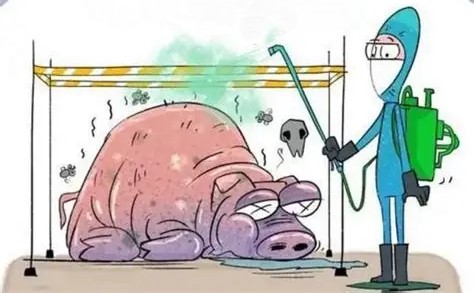
Formulate vaccination plans based on local epidemic diseases. We protect piglets from swine fever and foot-and-mouth disease, and protect laying hens from Newcastle disease and avian influenza. We strictly follow the instructions and keep records in compliance with international standards.
Normalize daily disinfection: we set up a disinfection pool at the door and change the disinfectant, and we disinfect people when they enter and leave; we disinfect the house once a week, use low-toxic disinfectants such as glutaraldehyde, and alternate their use to prevent pathogen resistance.
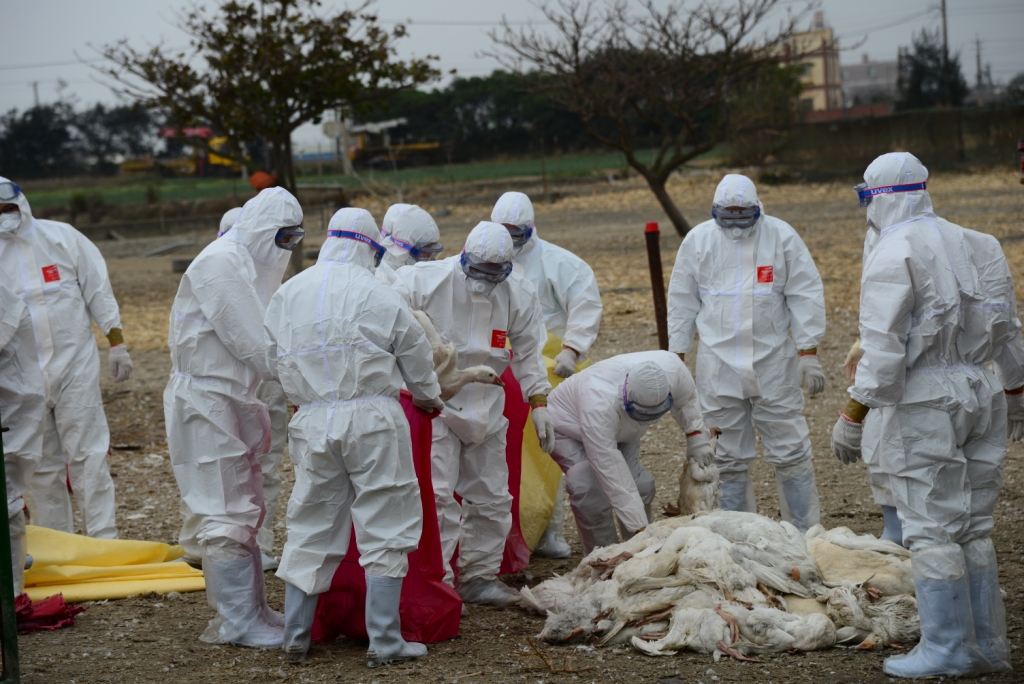
Staff must handle dead livestock and poultry as required: random disposal or landfilling pollutes the environment and spreads diseases (e.g., African swine fever; a commercial chicken farm in Argentina had a highly pathogenic H5 avian influenza on August 19, 2025 local time). Recommend harmless disposal, which is key to compliance and ecological safety.


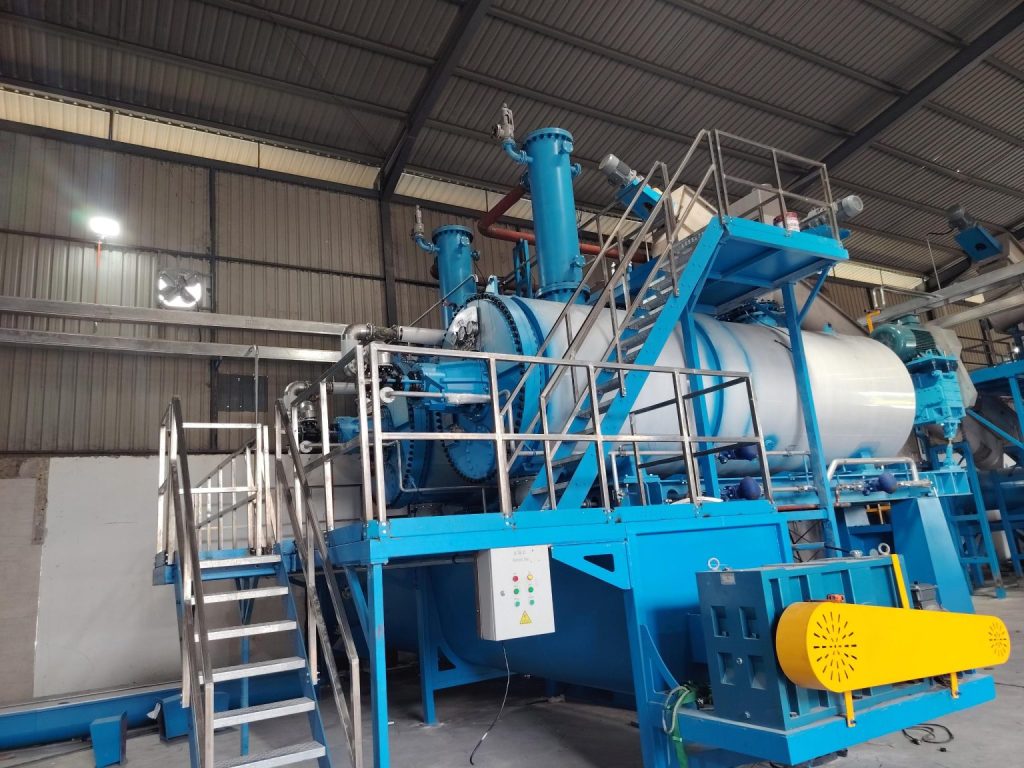
While addressing the above four points can improve profitability, the disposal of diseased and dead livestock and slaughter waste remains a challenge for many farms, both domestically and internationally. As a professional company, SunRise offers customized livestock and poultry harmless treatment and slaughter waste disposal services. We can customize harmless treatment lines or livestock and poultry slaughter waste production lines based on your daily processing capacity. We can handle anything from a few tons to hundreds of tons per day, addressing the “last mile” of scientific farming. High-temperature, high-pressure, humidified, and sealed sterilization prevents the spread of pathogens, ultimately converting waste into high-quality meat and bone meal and industrial oil, effectively turning waste into treasure.
We currently serve numerous farms around the world, helping them reduce processing costs and achieve a win-win situation for both efficiency and sustainability. If you face challenges with environmental regulation or the disposal of dead livestock, please contact SunRise. We will tailor solutions based on your specific farm conditions and local policies, working together to promote sustainable farming.
--END--
December 19, 2025

October 24, 2025

October 9, 2025
 English