
English

French

Italian

Portuguese

Spanish
When African swine fever (ASF) struck 28 provinces and cities in Vietnam, resulting in the culling of over 100,000 pigs, the stench of dead pig carcasses floating in rivers, and the unnoticed supply of diseased pork on the black market. This seemingly virus-induced crisis exposed a crucial and often overlooked aspect of the livestock industry: the complete lack of harmless disposal of dead livestock and poultry. For SunRise, a company deeply involved in this field, the uncontrolled outbreak in Vietnam serves as a warning to the global livestock industry and highlights the core value of professional harmless disposal in disease prevention and control.
The tragic escalation of the epidemic in Vietnam, from 30,000 to 100,000 pigs, was not simply due to the spread of the virus. Reports of smallholder farmers dumping dead pigs into canals and reservoirs were a key catalyst for the spread of the epidemic. These untreated dead pigs not only contaminated critical water sources like the N2 Canal in Nghe An Province and the Bac Canal in Thanh Hoa Province, but also allowed the virus to survive in the humid, high-temperature environment for up to 21 days, spreading to more pig farms through flooding and transportation. Even more worryingly, some farmers, to avoid disposal costs, sold the dead pigs to illegal slaughterhouses, triggering a vicious cycle of “spread of the epidemic—illegal trade—and secondary infection.” The root cause of all this is the lack of a standardized harmless disposal system.


Data shows that 70% of outbreaks in Vietnam occurred in small, unvaccinated pig farms, and 60% of free-range pig farmers failed to implement any biosecurity measures, including refusing to properly dispose of dead livestock. Amidst a collapse in grassroots epidemic prevention systems and a shortage of veterinary personnel, which resulted in 40% of early cases being underreported, harmless disposal should have been the “last line” to stop the spread of the virus. However, due to insufficient awareness, cost concerns, and a lack of oversight, this measure proved ineffective, ultimately allowing localized outbreaks to spiral out of control.
The African swine fever virus is very persistent and can survive and spread for a long time through dead pigs and contaminants. This means that vaccination and slaughter supervision alone are far from enough. Standardized harmless disposal of dead livestock and poultry can cut off the transmission chain from three core dimensions:
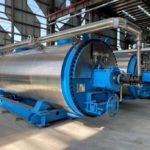
First, block the source of virus spread. Traditional disease management methods rely primarily on incineration and burial, which have significant drawbacks. Incineration easily produces toxic fumes that pollute the air, and incomplete combustion can leave residual viruses. Burial can allow the virus to seep into the soil and groundwater, creating long-term contamination risks. Both methods carry the risk of secondary transmission. SunRise equipment completely eliminates these drawbacks. Dead pigs are processed in a steamer at high temperatures and high pressures, ensuring that no virus remains. Specifically designed for swine fever, small and mobile units can be operated on-site, completely eliminating the risk of spread during transportation and curbing contamination risks at the root.


Secondly, we must eliminate loopholes in illegal transactions. When small and medium-sized farmers can access convenient harmless disposal services at a reasonable cost, they naturally avoid the risk of dumping or reselling dead livestock and poultry. To this end, SunRise has launched a small-scale harmless disposal unit for livestock and poultry, capable of processing 0.5-5 tons of dead livestock and poultry per batch. This provides a more universal solution for small and medium-sized farmers—without having to restructure their existing farming operations, simply equipping them with this small-scale disposal unit can quickly address epidemic prevention shortcomings and enhance their prevention and control capabilities. We also provide customized treatment solutions for large-scale farmers. By precisely adapting to the needs of different farming scales, we effectively address the industry’s common pain points of high disposal costs and cumbersome processes, making standardized harmless disposal a truly preferred option for all types of farmers.
Finally, it meets the needs of comprehensive disease prevention and control. Vietnam’s experience with disease prevention and control serves as a stark reminder that disease prevention and control is not a passive response in a single process, but rather requires a comprehensive, three-dimensional defense system comprised of technology, management, and awareness. SunRise, deeply engaged in the harmless disposal of dead livestock and poultry, offers customized solutions that not only precisely meet the compliance needs of the farming sector but also seamlessly integrate with regulatory authorities’ full-process traceability systems, providing real-time, traceable data support for disease prevention and control throughout the entire supply chain, from breeding to slaughter. This perfectly aligns with the core closed-loop risk management requirements of the EU’s “Pest-Free Community” system.
It is worth noting that this solution has achieved a dual breakthrough in “epidemic prevention effectiveness” and “economic value”: dead pigs treated with SunRise’s professional harmless equipment can completely destroy the virus in their bodies through core technologies such as high temperature and high pressure, blocking the spread of the epidemic at the source; at the same time, the meat and bone meal generated after treatment can be sold as high-quality organic fertilizer, and the refined oil can be put on the market as a biofuel raw material. Through resource recycling, it can effectively help breeding entities reduce the economic losses caused by diseases such as swine fever, and achieve the dual goals of “effective prevention and control, and controllable losses.”


The painful lessons of the Vietnam epidemic demonstrate that when the “invisible line of defense” of safe disposal is breached, even the most advanced vaccines and stringent regulations cannot completely contain the spread of the virus. For the global livestock industry, establishing a standardized system for safe disposal of dead livestock and poultry is not only an urgent need to address epidemics like African swine fever, but also a key component in rebuilding the food safety system.
SunRise firmly believes that professional harmless disposal is not a cost burden, but a safe investment in the sustainable development of the aquaculture industry. Going forward, we will continue to prioritize technological innovation, providing reliable solutions to more aquaculture companies and local epidemic prevention departments, building a solid “last line of defense” in disease prevention and control, and safeguarding the healthy development of the aquaculture industry and food safety.
--END--
December 19, 2025

October 24, 2025

October 9, 2025
 English