
English

French

Italian

Portuguese

Spanish
Rendering is reusing waste materials, including grease, skins, and animal tissue like fat, to make new goods. For example, the rendering business may transform rendered beef fat into animal feed, biofuel, oleic acid, stearic acid, glycerin, linoleic acid, and soap. Animal rendering facilities employ a variety of procedures. However, many of these substances are broken up, divided into fats and proteins, and then purified or moulded to fit the requirements of the final product. Animal by-products and waste materials must be disposed of properly where animal rendering factories come in. However, the environmental effects of their activities can be substantial and frequently ignored. In this in-depth examination, we will examine the many effects that animal rendering plants have on the environment, as well as viable remedies to lessen these effects. In this blog article, we will examine the numerous facets of animal rendering plant and comprehend their effects on the environment and society.
Every year, 328.4 million tons of meat are consumed worldwide, producing excess animal waste. Animal carcasses from slaughterhouses, farms, and ranches are processed at animal rendering factories. Animal rendering mills will need to keep operating at high capacity to support rising levels of mass meat consumption. About one gallon of wastewater is produced for every pound of processed byproducts, mostly from drainage, cleaning, and moist transport of carcasses. Plants, therefore, produce a lot of effluent and extra organic substances. Continue reading to learn more about the rendering process and how sustainable solutions may be implemented for efficient waste management at every stage of the waste treatment process.
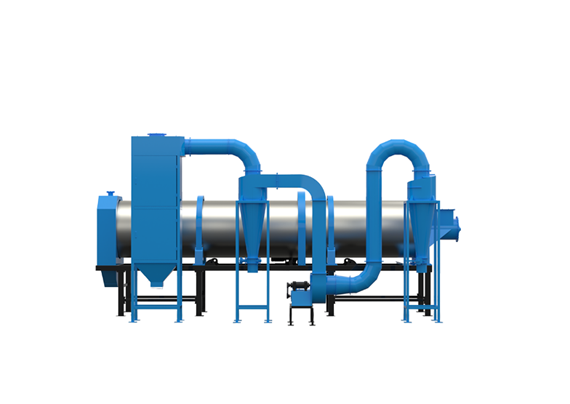
Human and animal health are both protected through rendering. It shields groundwater and surface waters from germs, and government authorities employ it to eliminate animal ailments. To guarantee that the rendered materials and final product are safe for pets and animals, renderers must adhere to strict safety regulations. Services for animal rendering plant provide several advantages for the economy, the environment, and people:
According to NARA, 3.7 billion gallons of water that would otherwise be regarded as polluted effluent are recovered and sent back to rivers and streams.
Animal rendering services absorb five times as many greenhouse gases as they produce, resulting in lower emissions. Rendering of animals has the same impact on emissions as taking more than 12 million automobiles off the road. Additionally, using biodiesel and renewable diesel fuels reduces your carbon footprint since they emit far less carbon dioxide.
Renderers gather 62 billion pounds of raw materials annually in the United States and Canada. It would take just four years to fill the available area in a landfill if all of that renderable stuff was dumped there. Regarding financial advantages, the rendering business is relatively stable and creates value from resources that would otherwise be thrown away. Even the establishment of jobs and food security are supported.
Sustainable practices and good waste management are crucial in today’s environment of fast advancement. Animal rendering is one industry that has a big part to play in this area. In this blog, we’ll dig into the world of animal rendering factories with a special emphasis on Jiangsu SunRise Environmental Protection Technology Co. Ltd., the industry leader. Let’s look at how this creative business helps protect the environment and generate useful byproducts by rendering plant solutions.
The processing and disposal of animal by-products produced by various sources, including slaughterhouses, farms, and veterinary offices, is largely handled by animal rendering plant. Developing animal rendering facilities, such as those provided by Jiangsu SunRise Environmental Protection Technology Co. Ltd., is a significant step towards resource preservation and sustainable waste management. The firm prioritizes environmental preservation while assisting in the development of useful by-products through the use of cutting-edge rendering plant technology. We can create a more sustainable future where garbage is converted into resources, and the planet’s health is preserved by embracing such cutting-edge technologies.
--END--
December 19, 2025

October 24, 2025

October 9, 2025
 English