
English

French

Italian

Portuguese

Spanish
Fishmeal is a crucial source of animal protein in feed. The fishmeal business in the nation needed to catch up in its growth. Still, in recent years, with the rise in the production of low-quality, high-yield fish and the advancement of animal husbandry, the need for feed has skyrocketed, and the fishmeal processing sector has grown quickly. A wide range of circumstances influences the quality of fishmeal, which is strongly tied to the quality of feed items. The choice of fishmeal equipment production lines and fishmeal processing technologies are two of them that are crucial for the quality of fishmeal.
The invention of the fish meal machine has caused a considerable shift in the aquaculture sector. The production of fish meals has been dramatically altered by this cutting-edge technology, which offers several advantages and benefits for the sector. Fish meal manufacture, Sunrise, has always been a labour- and time-intensive procedure. The fish feed has traditionally been produced using a labour- and time-intensive procedure. However, the landscape of fish feed manufacturing is changing due to the advent of the fish meal machine.
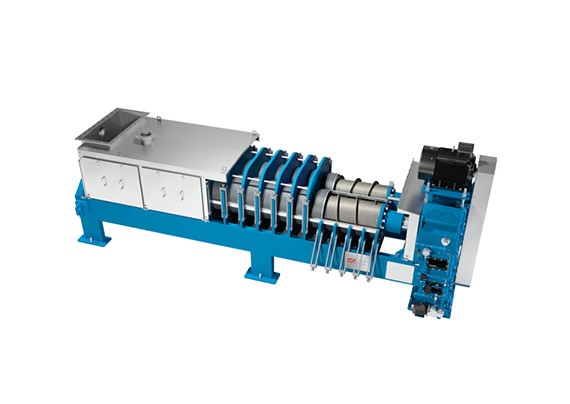
The production method for fish meals has undergone a radical transformation due to considerable technological breakthroughs in recent years. Increasing the effectiveness and quality of fish meal production has become essential due to the rising demand for fish meals as a valuable source of protein in animal feed and aquaculture. Fish waste is converted into valuable fish meal by fish meal machine, which are a significant part of the fish processing industry.
The dry and wet methods are the two primary categories of fishmeal processing techniques. Among these, the dry processing methods are further broken down into direct drying and dry pressing, and the wet processing methods into pressing, centrifugal, extraction, and hydrolysis.
Since the wet process is now the most often utilised for processing fish meals, here we will primarily introduce all the equipment needed in the wet process’ fish meal plant production line. Although each method has unique traits and applications, the fish meal machine employed is limited to the following:
Cooking machine: To prepare the fish body for the ensuing pressing, cooking involves breaking up the fat cells, coagulating the protein, and completely releasing the oil and water from the fish body.
To decrease the load on the dryer and the amount of steam used, extract most of the oil and moisture from the cooked item before drying it.
The three-phase decanter centrifuge may replace the press and help further reduce moisture content, fatty acid content, fish oil contaminants, and oil output by centrifuging the cooked material to separate oil, moisture, and solid residue. Product to make fish oil last longer in storage.
Drying fishmeal is done to turn wet material into dry fishmeal. In most cases, fish meal has less than 12% moisture content.
The goal is to bring the fishmeal to room temperature and stop it from burning fat from being too hot. An excellent refrigerator that rapidly and effectively cools fishmeal.
By recovering and concentrating the protein solution created during the production process, fish meal production costs may be decreased while advantages are improved.
Deodorization eliminates the fishmeal production process’s odour and lessens its negative effects on the environment and the air.
A wide range of healthful elements, such as essential amino acids and minerals like iron and phosphorus, may be found in fishmeal. This meal is a powerhouse that provides many living things with essential nutrients. The processing and source of the basic materials in a fish meal determine its effectiveness. For dinner to be of the highest quality, it must be cooked correctly and with the appropriate ingredients. To ensure the flawless integration of the three main service chains before and after sales, SunRise Eco-protection has committed to providing the necessary technical support and services. To add more value for customers, our after-sales technical team and quick response plan ensure the smooth operation of all links, including design, production, installation, commissioning, personnel training, and after-sales support. We also offer long-term quality tracking service for turnkey livestock and poultry rendering project that has been tried, tested, and approved.
--END--
December 19, 2025

October 24, 2025

October 9, 2025
 English