
English

French

Italian

Portuguese

Spanish
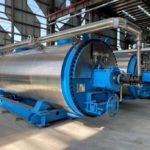
Each rendering factory differs from the next, with various volumes, materials, and intended end products. Equipment may be precisely modified using custom machines to satisfy these unique needs. Since each facility has different requirements, Jiangsu SunRise Environmental Protection Technology Co. Ltd. offers tailored solutions that consider this variation. By working closely with their clients, they ensure the equipment is developed and set up to maximum efficiency and yield.
Improving efficiency and productivity is one of the main benefits of specialized machinery in animal rendering plants. Manufacturers like Jiangsu SunRise Environmental Protection Technology Co. Ltd know the value of efficient processes and provide cutting-edge machinery that increases throughput, lowers energy use, and decreases downtime. The machines allow rendering firms to streamline their operations and increase output. The machinery is built to efficiently handle particular types and quantities of raw materials, reducing the time needed for rendering activities. As a result, productivity rises, enabling factories to handle more animal byproducts in less time.
The decreased downtime and maintenance are another key benefit of machines. Jiangsu SunRise Environmental Protection Technology Co. Ltd focuses on creating dependable and robust machinery that reduces the possibility of failure and the requirement for regular maintenance. Potential problems can be foreseen and solved during the design phase by using machines tailored specifically to rendering factories’ needs.
Rendering factories are establishments that turn animal-based products into high-value, protein-rich materials. Blood, bones, and leftover flesh are just a few raw materials used in rendering.
The slaughterhouse needs a place to leave the animal parts behind after it has processed the animals it has received. These include the fat trimmings, bones, and other leftovers from cutting meat into slices that shoppers may buy at supermarkets. These resources are obtained by rendering facilities, which employ them to create extremely valued goods like bone meal fertilizer and tallow. The fats and grease from restaurants and food processors are also handled by rendering factories. Animal feed components, soap dispersants, and other goods are produced from these materials by processing. Animal waste is typically stored at rendering factories for subsequent processing. Before starting to process them, they may keep them for days or even weeks. By doing this, they can obtain a more steady supply of raw materials, preventing significant gaps between deliveries from farms and slaughterhouses.
Rendering plants provide several significant advantages. First, they aid in ethically disposing of animal waste, preventing it from entering landfills or posing environmental risks. Additionally, rendering prevents the spread of illness by properly treating animal carcasses. Rendering plants are also essential to the circular economy since they help conserve resources and develop sustainable alternatives.
Animal rendering plants are essential for reducing waste and preventing environmental dangers. These facilities treat animal byproducts, removing the requirement for landfill disposal and lightening the load on waste management systems. Furthermore, effective rendering reduces the chance of contamination and the spread of illness, protecting the health and safety of the general population.
Animal by-products from the rendering process are frequently employed in agriculture as soil amendments and fertilizers. These substances supply crucial nutrients, enhancing the condition of the soil and crop yield. Furthermore, the proteins and lipids acquired by rendering are used to manufacture premium animal feeds, enhancing the nutrition and health of cattle and pets.
To create biodiesel, a sustainable substitute for traditional fossil fuels, animal fats obtained via rendering can be used. Rendering facilities assist in lowering greenhouse gas emissions and advancing a cleaner, more environmentally friendly energy industry by transforming these fats into biofuel.
Because they transform animal waste into usable resources rather than polluting landfills or contaminating waterways like municipal wastewater treatment facilities, do when they discharge untreated sewage into rivers and lakes during storms, rendering plants are helpful for the environment. Rendering facilities are crucial for cutting greenhouse gas emissions and handling waste from farms and slaughterhouses by converting it into valuable items like motor oil or fertilizer.
You should now better understand how animal rendering plants work and the advantages these facilities provide. Animal byproducts that are not wanted must be converted into useful industrial and commercial items. High-protein animal feed, renewable fuels and lipids are also produced through this method. We consume leftover animal products, dehydrate them to extract the nutrients, and then utilize them as feed components. Sunrise has introduced and absorbed equipment manufacturing technology, project processing technology and efficient management mode for a century in Europe.
--END--
December 19, 2025

October 24, 2025

October 9, 2025
 English