
English

French
Italian
Portuguese
Spanish
The Feather Meal Project represents a significant initiative aimed at revolutionizing the management of poultry waste within the realm of sustainable agriculture. It focuses on converting poultry feathers, often an overlooked waste product, into a valuable resource known as feather meal. This innovative approach not only mitigates the environmental challenges associated with poultry waste disposal but also offers a promising avenue for enhancing agricultural sustainability. Poultry waste, if left unaddressed, poses environmental and resource utilization issues. However, by harnessing the potential of feather meal, we can reduce waste, minimize environmental impact, and create a sustainable source of nutrients for crops.
Feather meal, an often-overlooked byproduct of the poultry industry, holds significant untapped potential. It primarily comprises keratin, a protein abundant in feathers, and boasts a nitrogen-rich content. The process of converting poultry feathers into feather meal involves hydrolysis, breaking down keratin into a more digestible form. This transformation not only diminishes waste volume but also enriches its nutrient profile, rendering it suitable for diverse applications in agriculture.
Poultry production is a linchpin of global protein supply, yet it generates a substantial waste stream, including feathers, presenting environmental quandaries. Poultry feathers, resilient and slow to decompose, persist as a challenging waste stream. When mismanaged, they contribute to pollution and can even harbor pathogens, posing health risks.
Effective poultry waste management is imperative for sustainable agriculture. Nevertheless, conventional disposal methods like incineration or landfilling often fall short in terms of environmental responsibility and cost-effectiveness. These methods can exacerbate air pollution, soil degradation, and resource squandering. Additionally, the logistical intricacies of poultry waste disposal pose challenges for many poultry farms.
The Feather Meal Project is resolutely driven by a singular and overarching objective: to transmute poultry waste into a valuable and sustainable asset. This paramount goal encapsulates several pivotal objectives that serve as guiding principles for our endeavor.
Sustainability and environmental stewardship stand as the bedrock of our project. We prioritize ecologically sound practices and aspire to showcase the positive repercussions of converting poultry waste into feather meal. By tackling the complexities of poultry waste management, we aspire to make a meaningful contribution to a more sustainable and environmentally friendly poultry industry while concurrently advancing the broader goals of sustainable agriculture.
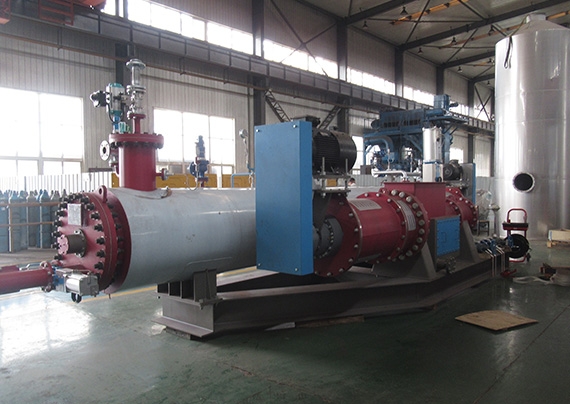
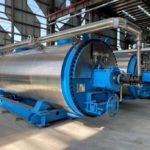
The Feather Meal Project harnesses a state-of-the-art methodology to convert poultry feathers into a valuable resource. This approach stands out due to its exceptional efficiency, sustainability, and potential for scalability.
The transformation of poultry feathers into feather meal encompasses several pivotal stages:
The Feather Meal Project’s innovation is underscored by distinctive features:
The Feather Meal Project makes substantial contributions to agricultural sustainability by addressing a spectrum of environmental and resource management challenges:
Waste Minimization: The conversion of poultry feathers into feather meal yields a significant reduction in the volume of poultry waste. This, in turn, alleviates the burden on waste management systems.
Enhanced Nutrient Reutilization: Feather meal serves as a potent source of nutrients, with nitrogen in particular taking center stage. Employed as a fertilizer, it closes the nutrient loop, curtailing the need for synthetic fertilizers and diminishing nutrient runoff into water bodies.
Among the project’s central environmental benefits is the curbing of waste generation and greenhouse gas emissions:
Waste Reduction: Traditional approaches to poultry feather disposal, such as landfilling or incineration, contribute to waste accumulation. The project’s approach significantly mitigates waste generation, promoting a more sustainable waste management strategy.
Greenhouse Gas Abatement: Conventional disposal methods often result in the emission of methane, a potent greenhouse gas. By diverting feathers from these processes, the project plays a pivotal role in curtailing greenhouse gas emissions, thereby contributing to global climate change mitigation.
The feather meal produced through this initiative harbors the potential to supplant or complement conventional fertilizers and additives:
Nutrient-Enriched Fertilization: Feather meal, owing to its substantial nitrogen content, emerges as an exceptional organic fertilizer. Its application enriches soil fertility and enhances crop growth.
Reduced Dependency on Chemicals: By offering a sustainable substitute, the project reduces reliance on synthetic fertilizers and chemical additives, promoting environmentally friendly agricultural practices.
A comprehensive examination of the economic feasibility of the Feather Meal Project reveals encouraging prospects. While the initial investments in innovative technology and process implementation are substantial, the project’s long-term benefits far outweigh the incurred costs. Several factors contribute to its economic viability:
Feather meal products hold promise across diverse markets:
A comprehensive cost-benefit analysis underscores the economic viability of the Feather Meal Project. Key considerations encompass:
The Feather Meal Project has yielded significant findings and outcomes:
Waste Reduction: Through the conversion of poultry feathers into valuable feather meal products, the project has effectively reduced poultry waste, alleviating the burden on waste management systems.
Nutrient Recycling: Feather meal, rich in nutrients, particularly nitrogen, contributes to sustainable agricultural practices and reduces reliance on synthetic fertilizers.
Throughout its duration, the project has achieved noteworthy successes and milestones:
Development of a Scalable Process: The project has successfully developed an efficient and scalable process for converting poultry feathers into feather meal, ensuring applicability on a larger scale.
Market Expansion: Feather meal products have gained recognition and acceptance in diverse markets, signifying their potential for growth and wider adoption.
A rigorous assessment of the quality and effectiveness of the feather meal produced has been conducted:
Nutrient Content: Comprehensive testing has confirmed the high nutrient content of feather meal, establishing its value as a valuable agricultural input.
Crop Yield Enhancement: Field trials have demonstrated the positive impact of feather meal on crop yields and soil health, supporting its effectiveness as a fertilizer.
In summary, the Feather Meal Innovation project presents sustainable solutions to poultry waste management. Through the conversion of feathers into valuable resources, it champions environmental preservation, economic stability, and sustainable agriculture. This innovative initiative signifies a pivotal stride towards a more responsible and efficient poultry industry, showcasing the transformative potential of waste repurposing into valuable assets.
--END--
December 19, 2025

October 24, 2025

October 9, 2025
 English