
English

French

Italian

Portuguese

Spanish
Have you ever considered what becomes of the rubbish we produce? Perhaps you’ve heard of landfills or recycling facilities, but rendering factories are a secret aspect of waste management that frequently goes unreported. These heroes are essential in turning organic waste, such as animal byproducts, into valuable goods and minimizing our environmental effects. We must investigate cutting-edge ideas in our search for a sustainable future so that they can not only lessen waste but also benefit the environment. In the field of sustainability, rendering plants are one such option that is gaining popularity.
The first step in the rendering process is gathering deceased animals from farms, slaughterhouses, and other processing facilities. From horses to chickens grown for food to cherished pets that unfortunately went away due to euthanasia by a physician or animal shelter, many houses may be home to one of our furry, feathery or hoofed companions. Some rendering facilities will accept live animals if their hooves have been removed so that their skeletons can be ground into bone meal for poultry feed supplements or into fish feed pellets for farmed fish like salmon or trout that are raised commercially in open water pens near shorelines where they cannot swim freely as they would in their natural environment in rivers or streams.
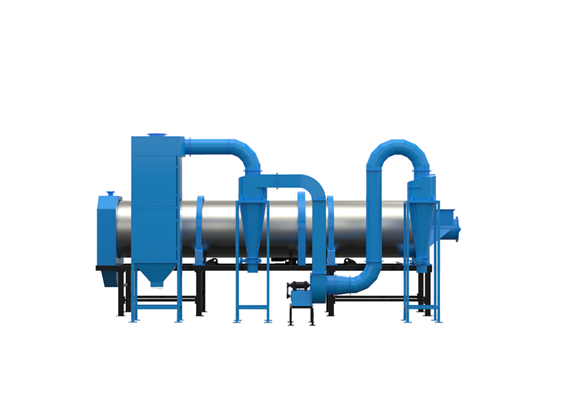
Any rendering plants main concern is making money, so making an effort to remove things like guts, eyes, feathers, hair, bones, and rancid restaurant oil is not worthwhile. For edible rendering, it is not necessary to identify animals that have passed away naturally.
The rendering facility also creates “edible rendering” items for human consumption. In this method, edible components (mainly fat) are chopped, cooked at low temperatures, and then the liquid and fat are separated from the particles using centrifugal force. Given how much meat is consumed globally today, the rendering plant business is essential to finding a solution to the issue of animal carcasses. This recycling from abattoir waste is necessary for unchecked virus and bacterial outbreaks to be hazardous. Making candles, soap, ghee (clarified butter), and lard via the rendering process has been a craft practised in homes and businesses for generations.
Rendering is key in bringing virtual worlds and characters to life in 3D animation and visual effects. The rendering process is crucial to the success of any project, be it a blockbuster movie or a video game. However, how precisely do rendering plants operate? What special difficulties do artists in this field face? As we dig into their realm, we’ll investigate rendering plants’ role in this blog article. By turning animal byproducts and waste materials into various usable items, rendering facilities are essential to our civilization. We can learn a lot about how these facilities function and affect the economy and environment by comprehending how they operate in a complex way.
The handling of waste materials and animal byproducts is greatly aided by rendering plants. The processing of animal corpses, trimmings from slaughterhouses, and other organic waste at these plants produces valuable goods such as fertilizers, biodiesel, and animal feed. SunRise is a complete environmental protection technology limited business focusing on treating solid waste and producing animal protein, oil, food, and other products, including nutrients and biotechnology. Our business has spent a century in Europe introducing and assimilating technologies for project processing, manufacturing equipment, and effective management. Deep market expansion on both local and international fronts, as well as delivering services of the highest calibre and providing the ideal solution for consumers.
--END--
December 19, 2025

October 24, 2025

October 9, 2025
 English